
Over the decades, families’ needs have changed, technology has progressed, and people’s lifestyles have transformed the way we think about our living spaces.
Some interior design trends that used to dominate homes across Québec have all but vanished. Here are a few examples.
Huge Whirlpool Tubs
At one time, large therapeutic baths were considered the height of luxury. Many new-build properties from the 1990s and early 2000s were fitted with them.
These days, they’re typically removed during renovations, as many homeowners find that they take up a lot of space, require more maintenance, and are rarely used.
Spacious, glass-enclosed showers are often installed instead because they’re more practical and better suited to today’s lifestyle.
Popcorn Ceilings
Very popular between the 1960s and 1980s, textured ceilings—also known as “popcorn ceilings”—were favoured because they hid imperfections and improved the acoustics slightly.
They’re often replaced nowadays during renovations. Homeowners prefer smooth ceilings, which are more modern, brighter, and easier to repaint.
Floor-to-Ceiling Mirrors in the Dining Room
During the 1980s and 1990s, it was common to cover an entire wall with a massive mirror to give a room a sense of spaciousness.
This trend has now largely been abandoned in favour of plain walls, textured wallpaper, or a few works of art.
Formal Sitting Rooms (Where No One Ever Sits!)
Until not so long ago, many homes had a main sitting room reserved for special occasions. Guests were entertained there during parties, birthdays, or important visits. The rest of the time, this room remained practically unused.
Houses now rarely feature this type of living room. Homeowners prefer open-plan spaces where the whole family can enjoy everyday life.
Needless to say, a reception room requires a very large house—something you don’t often find these days!
Wall-to-Wall Carpeting… In Every Room
It was common to find carpets in almost every room of a house in the 1970s and 1980s, including on the stairs, in bedrooms, and sometimes even in family rooms. This ubiquitous texture provided a strong sense of comfort as well as good soundproofing.
This trend has all but died out. Hardwood flooring, high-end vinyl, laminate, and ceramic tiles have become much more popular.
Their advantages: They’re far easier to clean, collect less dust, and are better suited to people with allergies.
Closed-Off Kitchens
For several decades, the kitchen was a stand-alone room, separated from the rest of the house by walls and a door.
Today, homeowners are primarily looking for bright, open-plan spaces. Kitchens flow directly into the dining room and living room, allowing people to socialize while meals are prepared.
This trend also reflects changing family habits: cooking is now a far more interactive and communal activity than it used to be.
Phone Jacks in Every Room
In past decades, almost every household had a phone in the kitchen, living room, and sometimes even in the bedrooms.
The advent of mobile phones has profoundly altered the situation. Telephone jacks are rarely used these days, and many new buildings omit them.
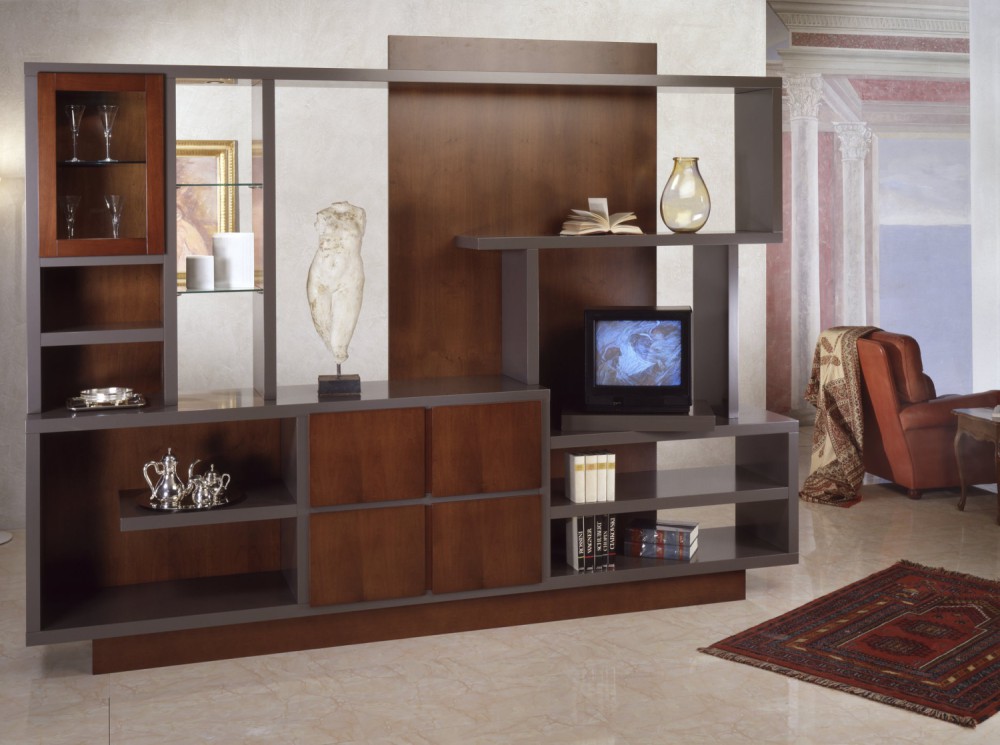
Large Television Consoles and Cabinets
Before the introduction of flat-screen televisions, TV stands were built massive enough to bear the weight of sometimes very heavy cathode-ray tube televisions.
Nowadays, televisions are usually mounted directly on the wall or placed on much more discrete pieces of furniture. The imposing home entertainment centres that used to take up an entire wall have become much rarer.
Bifold Doors
Very popular for closing off a laundry room, a closet, or a kitchen, these doors were found in countless homes. The best thing about them was that they took up very little space.
These days, homeowners often replace them with much more elegant sliding or solid doors.
The way we design our living spaces mirrors our evolving lifestyles. What seemed essential 30 or 40 years ago no longer necessarily meets today’s needs.
That said, certain trends do occasionally make a comeback… with a modern twist!