
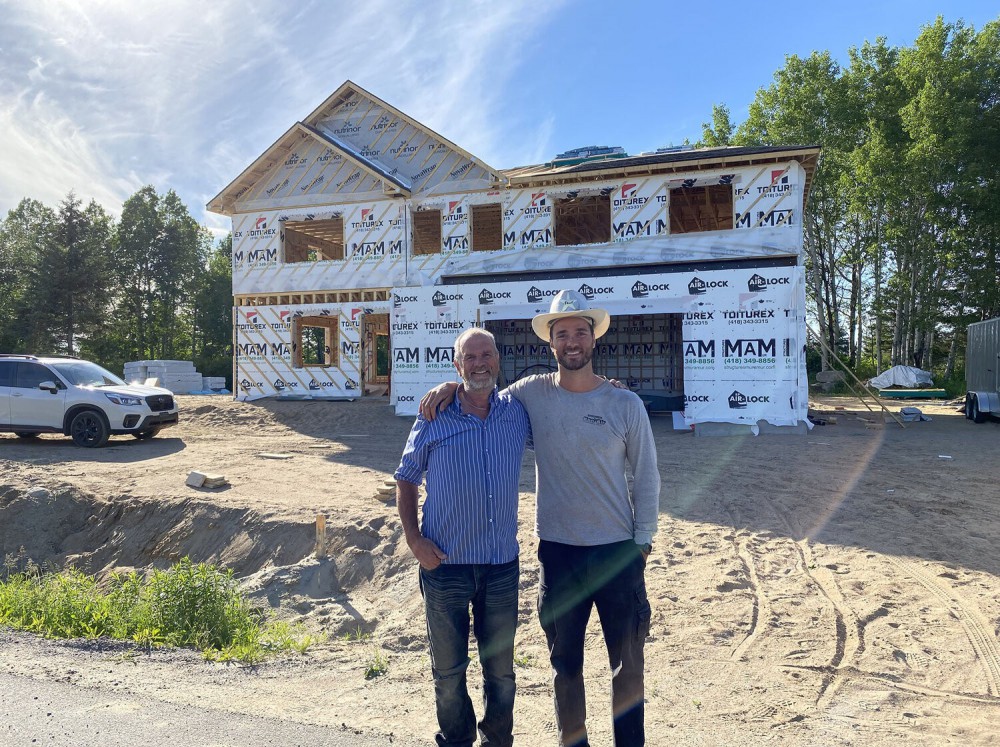
If you’re someone with an entrepreneurial spirit, and want to get involved in the construction of your next home, consider self-building! Wondering what it means? Self-building is taking the construction of your home entirely (or almost entirely) in your own hands. Doing it yourself comes with its share of benefits: it’s cost-effective, lets you take full control, and offers a feeling of self-satisfaction like no other. But, be warned: it can also involve some risks if not carried out properly. Wondering where to begin? This blog is a step-by-guide for self-building.
Evaluate what financial resources are available to you
Building a house is, unsurprisingly, expensive. Doing some of the work yourself can be a money-saver, but whatever tasks you outsource will cost you a fair amount. Establish your budget from the start and be conservative with spending to avoid surprises. Always plan for the unexpected, too.
Choose your land and consider regulations
The first step of any construction is choosing the land you want to build on! Generally, what determines the ideal piece of land is based on specific criteria, such as its location, price, and proximity to your workplace. It also factors in the presence of electrical wires and wastewater facilities (to give you an example, the house I'm currently building doesn't have a basement because of the presence of groundwater—no one in the neighbourhood has a basement, and this was important when drafting up the plans). Also, you need to know what regulations are in place for the property, your neighbourhood, and the town’s urban planning. Sometimes, there are certain requirements for the percentage of windows or what finish is required on the building’s facade. In some instances, planting shrubs on the property is mandatory. Know what rules to respect before you begin the build to save you some headaches down the line.
Have the final plans ready to go
Building a house is not something you can just wing. On the contrary, it requires a detailed and precise plan. If you’ve got the necessary training, you’re lucky: you can design these prototypes yourself. If not, this would be a good step to enlist the help of a professional who can give you a precise project blueprint. Subcontractors will need these to issue detailed bids, and the city will require them before they ultimately grant you a building permit.
Get your permits
Speaking of permits… make sure you have all the necessary paperwork before you even break ground on your new property. Usually issued by the municipality, these permits are mandatory before starting construction. Keep in mind that permit applications usually involve various documents. There’s a lot of paperwork involved, but this step is just as important as any other!
Request bids from various contractors and choose
Depending on your skill set, determine which steps you can handle on your own and which would be better left to the pros. Remember, whatever projects you plan on tackling yourself still need to comply with building codes to avoid serious issues.
Then, get several bids from different contractors for the remaining tasks. Make sure you ask for more than you need so you’re left with as many options as possible.
That's it! Once the different contractors have sent you their quotes, all that’s left to do is choose. Your decisions should be made based on several factors — it goes beyond just looking at the $ sign. Get out your glasses and scrutinize every little detail. Sometimes, what may seem like the deal of the year comes with—surprise!—hidden costs. Little extras and price exclusions tend to vary from one contractor to the next.
Monitor the work being done during and after construction
Once the process is underway, you can (and should) supervise the on-site work to ensure that each step is carried out according to plan. Also, supervise the post-construction phase to double and triple-check that the final result meets your expectations.
Self-building can be satisfying, but this process is not without its share of risks. Beware of hidden defects! Make sure you have the necessary skills to proceed according to standards. Avoid any surprises and ensure you comply with regulations at every stage. Dream big, but plan carefully: You can save money, but the decision to self-build should be based on experience. Don't plan to save 30% on the total savings. In short, this can be a very interesting option for professionals in the trade.
This is an option to consider if you have the knowledge required to carry out such a project. Happy home building!
