
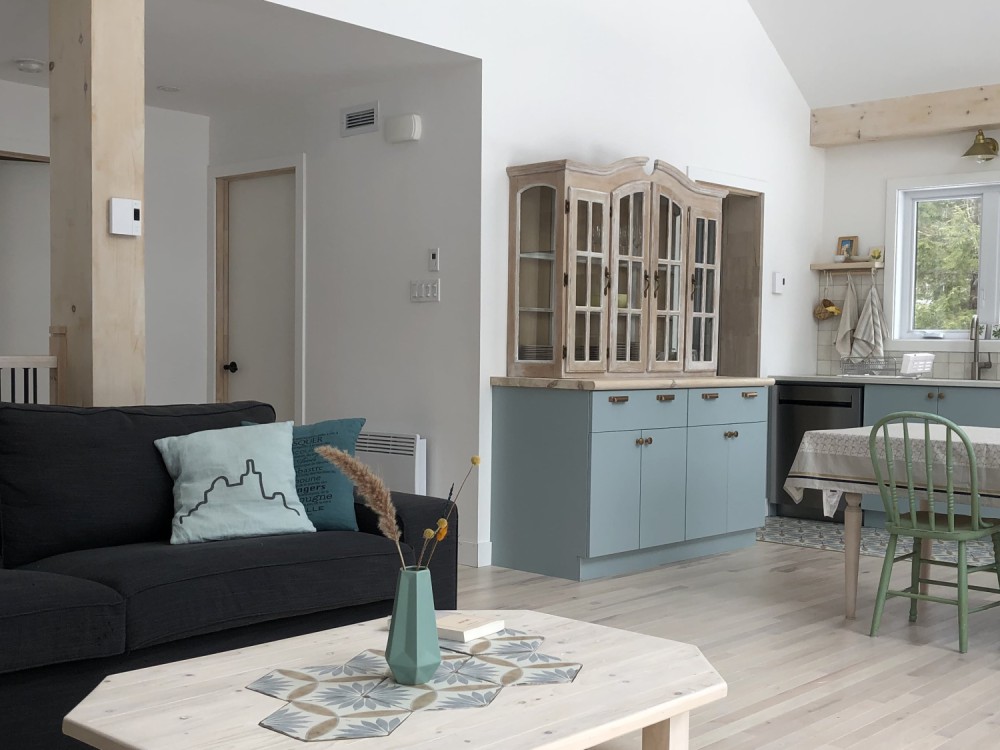
The idea for creating my blog “Déconome” first came to me as the owner of a new triplex in Montreal. I was looking for ways to renovate the apartment on a budget. That said, something to remember is that every home has major renovations that should be prioritized, many of which are more important than aesthetic ones.
For example, we hired licensed contractors to perform structural jobs (roof and foundation, for example). Once these jobs were completed, our savings were somewhat depleted. That forced us to get resourceful and hands-on with many of the remaining projects. If this sounds like your situation, keep reading for some handy tips!
1 – Renovating within your rights
First, you should know that the Régie du Bâtiment du Québec prohibits landlords from doing specific tasks without the appropriate licenses such as structural work, plumbing, or electricity. Unless you have a general contractor's license, performing renovations in a rental unit is also illegal. Before getting started, research which jobs you’re within your rights to DIY in your dwelling.
For the most part, you’re entitled to paint and install wall coverings (like drywall, wallpaper, or ceramic) and flooring. You’re also allowed to install kitchen or bathroom cabinets.
2 – Renovate based on your abilities
As a new homeowner, you may do more harm than good if you tackle projects outside your skill set. It's tempting to want to save money, but it should never come at the cost of property damage. Evaluate what you can do and avoid taking on unfamiliar jobs that may have long-term, irreversible results. A good example of this would be sanding down wood flooring.
3 - Know how to use the tools properly
The success of manual work depends mainly on whether or not you're using the right tools—and handling them properly. There are so many professional-grade tutorials on YouTube, so anyone can pick up new techniques. On the other hand, it is only possible to renovate with the right tools so make sure you've done your homework first.
A word of advice: consider borrowing good tools (yes, there is such a thing as tool libraries), renting them, and, if necessary, taking a DIY course to learn how to use them. It's a matter of safety!
4- Some examples of projects you can DIY
For almost two decades, we’ve done renovations. The following list is the ones we’ve done ourselves, from a beginner level to the expertise we’re at today.
Beginner’s level:
- Painting the walls
- Ripping up old flooring
- Stripping doors and old mouldings
- Installing a ceramic backsplash
- Installing wall coverings (wallpaper, paneling, etc...)
- Changing a faucet
Intermediate level
- Laying laminate countertops
- Laying ceramic floors
- Sanding and staining a hardwood floor
- Installing decorative stone on a fireplace
Advanced level
- Installing gypsum and grouting (properly, of course)
- Installing wood flooring
- Installing shower tiles
- Carpentry or woodworking, such as building furniture (benches, cabinets, tables, hoods, etc.) or structures (patios, decks)
If you're a new homeowner, there's probably a lot of work to get done. Use your skills to do as much as possible yourself. You might get a taste for it, but more importantly, you’ll save tons of money down the line.