
One sometimes hears people complain about how things (appliances, for example) used to be made to last—not like today! But what about our dwellings?
It’s true that present-day properties are constructed very differently than several decades ago. This major transformation is in fact due to an important, and very necessary, shift in residential building techniques.
In the past, buildings were solid but rarely engineered to withstand this century’s climate and energy challenges. Nowadays, every component of a home is designed for maximum durability, efficiency, and comfort.
Innovations in Insulation and Airtightness
Some of the greatest developments have been made in insulation.
New homes in Québec are typically better insulated, more airtight, and efficiently ventilated.
- In the 1950s, residential home insulation was rudimentary compared to modern-day standards. Builders usually packed the walls or attic with sawdust, newspaper, or mineral wool without an effective vapour barrier. Houses were plagued with significant heat loss, cold air drafts, and very poor energy efficiency due to single-pane windows.
- Today, insulation techniques have greatly improved thanks to technological innovations and Construction Code standards. Modern materials, such as rock wool, expanded cellular polystyrene, sprayed polyurethane foam, and blown-in cellulose provide better thermal resistance and superior airtightness. The addition of double- or triple-glazed windows has also helped to boost insulation levels.
A well-sealed building is less prone to mould, requires fewer repairs, and offers a healthier living environment over the long term!
More Durable and Sustainable Materials
Building contractors now favour high-performance materials:
o engineered wood products like glue-laminated timber or LVL for their heightened stability and strength;
o natural insulation materials, like hemp, cellulose, or wood fibre for their humidity-control properties;
o resistant concrete, sometimes with fibres or other additives mixed in to withstand the damaging effects of freeze-thaw cycles;
o durable exterior cladding materials like fibrous cement, galvanized steel, or heat-treated wood.
Moreover, many local companies employ modern methods that would certainly have surprised builders working in the early 1900s.
o Geothermal energy
o Solar panels
o Green roofs
o Passive heating and cooling
More Meticulous Building Techniques
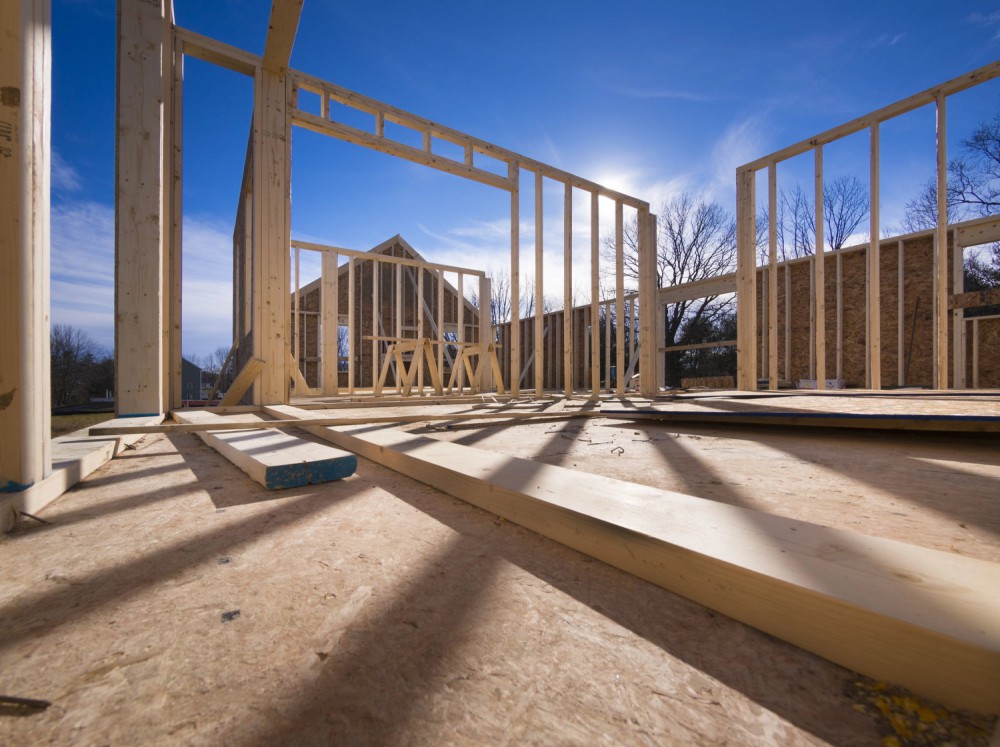
We also benefit today from advancements in prefabrication and modular construction. Homes are manufactured in sections and assembled in-factory under ideal conditions, protected from the weather.
On-site building practices have likewise improved over the years.
Tighter Standards and Regulations
Legislation has equally evolved. The Québec Construction Code and recent government-led reforms now impose strict quality and safety standards.
For example, since 2000, standards for thermal insulation, energy efficiency, fire resistance, and material durability have been significantly strengthened. More particularly, the Construction Code now includes guidelines for the renovation of existing buildings while the Régie du bâtiment du Québec (RBQ) is now responsible for ensuring that the new regulations are firmly enforced. Additionally, programs like Novoclimat have encouraged the building of highly energy-efficient homes with better insulation, increased airtightness, and superior indoor air quality.
Homes that Can Withstand the Québec Climate
Today’s dwellings are engineered to endure harsh winters, heavy rains, and extreme temperature variations. Previous generations of builders certainly wished to make their buildings as weather resistant as possible, it’s just that modern techniques achieve this so much more efficiently.
Now we insulate foundations, put in French drains to manage rainwater runoff, install air and vapour barriers to control humidity and heat loss, add layers of waterproofing membranes, etc.
The result: fewer leaks, less condensation, and less frost damage.
This sustainable approach to residential construction reflects a long-term vision for the future: reduced obsolescence and resource conservation. One more piece of good news: an older house can be upgraded and made as comfortable and energy efficient as a new build.