
People are increasingly concerned about the air quality inside their homes. This is even more of an issue during a typical Quebec winter with heating systems on full blast and windows remaining permanently closed!
Nonetheless, poor air quality is a problem we should be tackling all year-round as it can be the source of headaches, sore throats, red eyes and more severe asthma symptoms for occupants. Not to mention the property damage caused by mould!
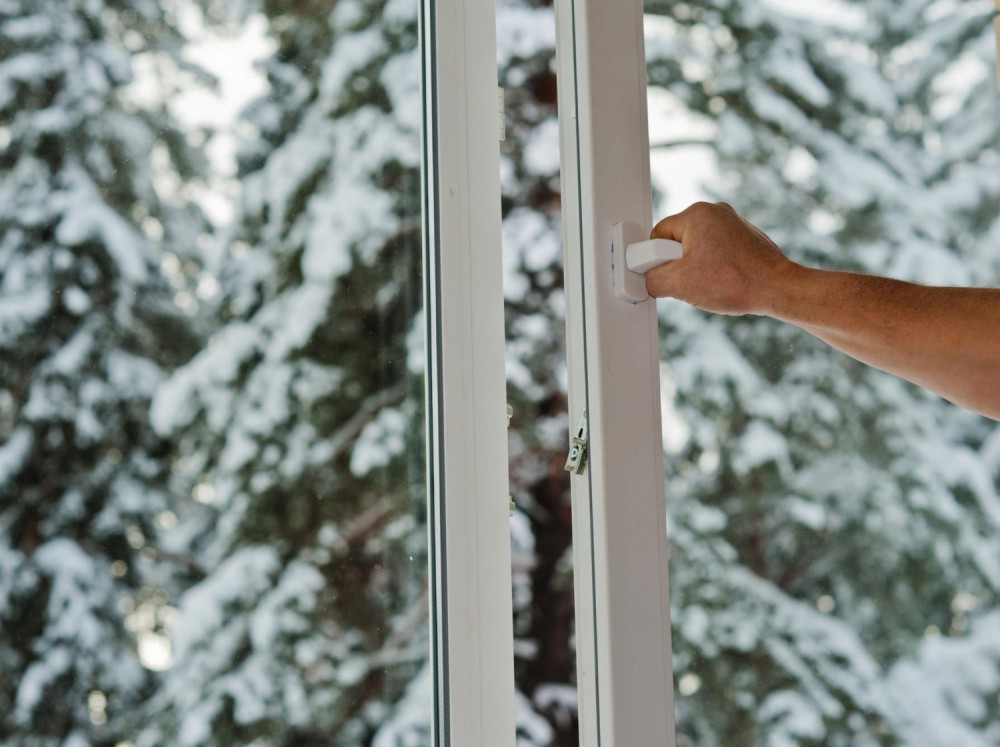
Unfortunately, opening the windows is not always possible, especially if you live in a major city—letting the air in during a smog alert is a bit counterproductive! Here is our advice to help you breathe easier.
Get the Right Appliances
Compact and discreet, air purifiers are a very efficient means of cleaning the air. They filter out floating pet hair as well as bad smells. Those with a UV-C light system are even more effective since they can eliminate almost all germs and bacteria.
And don’t hesitate to employ either a dehumidifier or a humidifier to maintain a comfortable humidity level in your home, especially as too much moisture in a house can lead to the growth of mould which can damage walls, ceilings, and floors.
Identify and Avoid VOCs
Volatile organic compounds (VOC) are suspended particles in the air released by the various objects in our environment. When found in high concentrations, they are considered air pollutants. Find out if they are present or not in renovation goods, materials, paint, furniture, curtains and blinds … they could be anywhere in your property! If you are renovating, research healthier alternatives: some products come in non-polluting versions.
Resist the Temptation to Cover Up Odours!
Room sprays, candles and diffusers used to make the air inside our residences smell sweet are not wholly inoffensive! They may, on the contrary, be very bad for indoor air quality! You’re better off cultivating the fresh smell of a clean home by using ecofriendly products. Other options are potpourri or dried flowers and herbs that will delicately perfume the rooms without resorting to chemical substances.
Rely on an Air Exchange System
Consider installing an air exchange system to combat the ups and downs of Quebec weather. Opening the windows can be bad news for the wallet when you’re paying for heating or cooling. Air exchange systems are designed to suck out stale air and replace it with outside air while minimizing heating or cooling loss. Of course, the expelled polluted and dusty indoor air can’t be allowed to get back in. Carefully plan where the air intake and outlets will be positioned: the vents must be placed far enough from each other to avoid contaminating the fresh air.
Maintain Your Ventilation Systems
Don’t let dust accumulate on your ventilation systems (hoods, fans, etc.). Wipe them down or wash the filters regularly. Moreover, hard-to-access air conduits require occasional maintenance as they can become caked with layers of pollutants over time. They should be professionally cleaned every 5 to 10 years.
Use the Ventilation Systems You Already Have
You also have many other ventilation systems in your home you can use to expel bad air, such as the range hood, windows and bathroom fan, or even certain forced-air heating systems, although they can result in heating loss (in winter) or cooling loss (in summer). Opening an unoccupied room’s window with the door closed is simple but can do a world of good. Just don’t forget to turn the heating off in that room while you let the fresh air in so as not to inadvertently waste money and energy!
If you decide to make major changes, you can measure the air quality before and after. There are lots of analysis kits on the market or specialist companies that can assist you with the process and confirm that your home’s air quality has indeed improved.